
Hydraulic cylinders play a vital role in many industries, from construction and mining to manufacturing and agriculture. These devices convert fluid power into linear mechanical force, enabling heavy machinery to perform a wide range of tasks. However, like any piece of equipment, hydraulic cylinders require regular maintenance to ensure their optimum performance and longevity.
Maintaining hydraulic cylinders is essential for several reasons. Firstly, it helps prevent costly breakdowns and subsequent downtime. When a cylinder fails, it not only disrupts the productivity of the equipment it is attached to but can also lead to more severe damages, resulting in significant repair or replacement costs. By investing time and resources into maintenance, companies can avoid these expenses and keep their operations running smoothly.
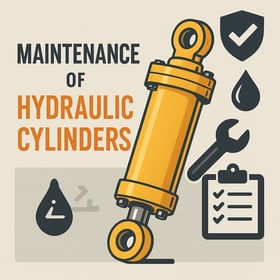
Secondly, regular maintenance maximizes the lifespan of hydraulic cylinders. These components undergo continuous wear and tear due to the high pressures and loads they experience during operation. Without proper upkeep, the seals, rods, and other internal parts can become damaged or worn out, reducing the cylinder's efficiency and ultimately leading to premature failure. Regular inspection, cleaning, and lubrication can help identify potential issues and extend the life of the cylinder.
Moreover, well-maintained hydraulic cylinders contribute to improved safety in the workplace. Malfunctioning or poorly performing cylinders can pose serious risks to operators and adjacent equipment. A sudden failure can lead to accidents, injuries, or even fatalities. Regular maintenance ensures that cylinders are in optimal condition, reducing the likelihood of accidents and enhancing overall workplace safety.
So, what does hydraulic cylinder maintenance entail? Routine inspections are crucial to identify any signs of wear, leakage, or damage. This includes checking for worn seals, rust or corrosion on the rod, and any abnormal fluid leakage. Periodic cleaning to remove dirt, debris, and contaminants is also essential for the smooth operation of cylinders. Additionally, proper lubrication is critical in preventing friction and excessive wear that can compromise the cylinder's efficiency.
When maintenance is required, it is essential to follow manufacturer guidelines and seek professional assistance if needed. Hydraulic systems can be complex, and attempting repairs without the necessary expertise can lead to further damage or safety hazards. Trained technicians have the knowledge and tools to carry out repairs or replacement of faulty components effectively, restoring the cylinder's functionality.
In conclusion, regular maintenance of hydraulic cylinders is vital for optimal performance, longevity, and safety. Companies must prioritize routine inspections, cleaning, lubrication, and timely repairs to avoid breakdowns, reduce downtime, and extend the life of their valuable equipment. By investing in proper maintenance, businesses can ensure the continued efficiency and reliability of their hydraulic systems, contributing to smooth operations and increased profitability.
Contact your Sheffer Distributor or Customer Representative today for insight on how to properly care for your Sheffer Cylinder.
